
HPV Peniscopy

The HPV Colposcopy Centre in Ruesch Clinic is the only center in Campania and southern Italy to provide comprehensive medical care to male patients who have contracted papilloma virus (HPV) infection allowing a timely and correct DIAGNOSI AND CURA HPV infection in the male. The CENTRO is accredited by the Italian Company of COLPOSCOPIA. A highly specialized medical team of Colposcopist gynecologists and expert peniscopists provides the couple with their expertise as well as diagnostic methods (Peniscopy) and therapeutic scants of the latest generation to prevent and treat MASCHILE and FEMMINILE genital and FEMMINILE diseases linked to the infection of the papilloma virus (HPV).

Peniscopy: How, when and why

Peniscopy (also known as balanoscopy, episcopy, genitoscopy) with 5% acetic acid application is the main test for the diagnosis of HPV infection in the male. The exam consists of three phases:

  1. Direct observation of the skin of the penis, glans, foreskin, Ballano-foreziale furlong, urethral meato and the visible part of the distal urethra, the scrotum, the rural region and the perianal area.
  2. Application on the genitals of gauze tablets soaked in ac.acetic at 5% for 5 minutes
  3. Observation with the variable magnification shotscope

Peniscopy allows for better diagnostic definition as it detects small esophany formations that escape observation with the naked eye and also reveals acid formations, subclinical, not visible to the naked eye that they can be associated with florid forms or present themselves in isolation and therefore constitute the only manifestation of infection. Viral injuries in peniscopy can appear as:

  • Florid, esophititic, multifocal and polymorphic lesions that can be located at the skin and mucous and distal urethra
  • Papular, detected, pigmented or rosé lesions with an overlay of vascular bullet images
  • Macular lesions, which occur in the form of undetected or newly detected acetowhite areas on the skin or mucosa surface, sometimes with central umbilical, isolated or confluent , with images of vascular pointedness.

The macular aspect is not specific to HPV infection. Sharp lesions are associated with low-risk HPV 6/11. In more than 10% of cases of acute florid forms, HPV 16 has been identified, however, which explains how women with vulvare condylomatosis , partners of men with acute condylomatosis, are at increased risk for CIN. The papularles, pigmented or non-pigmented, detected, ranging in diameter from 3-5 mm to over 10 mm, have the characteristic appearance of papulosis bawenoid and the histological feedback can range from simple viral infection to more severe forms such as severe dysplasia/ca in situ. HPV: NOT ONLY INDIVIDUAL THERAPY... BUT COUPLE! Here are some of our patients' fret questions: "I did the pap test or tin-PREP and tested positive for HPV, My gynecologist advised me to have my partner examined but I couldn't find an expert center where to send him" Too often the male did not it is checked because it cannot find an experienced doctor who solves its doubts with the result that the therapy becomes useless because while the woman is being treated her partner is probably infected, infecting her again. This as well as harming the health of both is devastating for the couple in terms of trust that is the basis of a good relationship. THE CENTRE HPV Ruesch aims to be unique in Campania as a REAL ANSWER to this growing need in our society by providing a rapid diagnosis and cure for HPV infection in the male.

Diagnosis

Diagnosis is made with PENISCOPIA which is a simple, non-painful, rapid and non-invasive examination. The Experienced Peniscopista after application of a reagent examines the penis to highlight the presence of particular areas that could not be seen with the naked eye. Often the male turns to a dermatologist but ONLY PENISCOPIA can give certainty of the presence or not of HPV. The cure is carried out with an elimination of infected areas and is NOT DOLOROSA . "I just found out that my partner has HPV" Partners usually share HPV and if the relationship lasts a long time it is possible to have already contracted the infection. Most sexually active adults get the virus at least once in their lives, and although HPV is common, the health problems fortunately associated with it are much less so. A person may be affected by HPV for many years before discovering it or having health problems, so there is often no way of knowing which of the two partners transmitted the virus to the other and this means that the infection should not be considered as a signal of possible betrayal.
Thin Prep

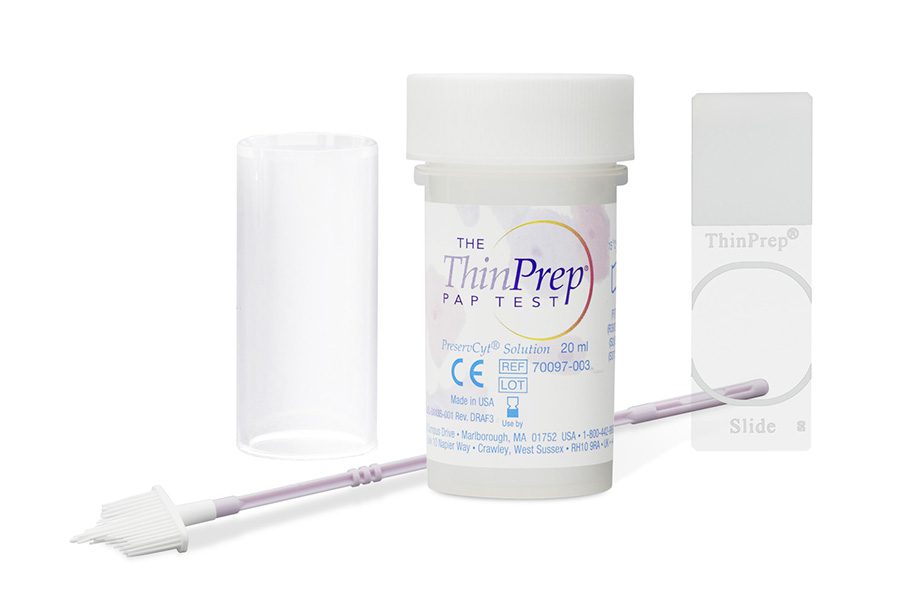
Thin Prep

Il THIN PREP (citologia basata su fase liquida) è una tecnica alternativa allo striscio cervico-vaginale (Pap-Test) basata sulla sospensione di tutto il materiale raccolto in un fluido al fine di creare una sospensione cellulare. Le cellule in sospensione restano preservate per diverse settimane a temperatura ambiente. La sospensione viene trattata per rimuovere l’eccesso di sangue e di essudato infiammatorio, una piccola quota rappresentativa viene strisciata su di un vetrino. Questa tecnica consente l’allestimento dei preparati in maniera automatica e semiautomatica.

Come si esegue il Thin Prep

Il prelievo viene eseguito, come per il pap-test, dopo applicazione di speculum vaginale. Il materiale viene raccolto con una spatola corta e larga di plastica che viene poi immesso in un contenitore contenente il liquido e fatto ruotare in modo che le cellule raccolte restino in sospensione. Il procedimento prevede tre fasi: Fase di Dispersione, di Raccolta delle cellule e di trasferimento.

La fase di dispersione è l’unica eseguita in ambulatorio: la spatola subito dopo il prelievo è introdotta in una provetta detta vial e si fa girare vorticosamente per mettere il muco e le cellule in sospensione. Il materiale viene quindi inviato in laboratorio dove avviene la raccolta delle cellule (fase 2): nel tubo viene prodotta una pressione negativa che spinge il fluido attraverso un filtro. Le maglie di questo filtro trattengono le cellule e fanno passare attraverso i pori le emazie, i polimorfonucleati e i detriti cellulari. Quindi, sul filtro non restano elementi “di disturbo”.

Infine si procede al trasferimento (fase 3): Il filtro che contiene le cellule viene rovesciato e messo delicatamente in contatto con il vetrino caricato elettronicamente. Le cellule così passano sul vetrino che successivamente viene fissato immediatamente.

La tecnica consente di ottenere uno strato di cellule solo in corrispondenza del filtro con fondo pulito ed assenza di interferenze nella lettura. La colorazione risulta più uniforme e le cellule sono distribuite in unico strato (monolyer) per cui si osservano meglio anche i nuclei. Il materiale residuo può essere utilizzato per studi successivi (per controllo di qualità o per immunoistochimica).

Lipogems: tecnica rigenerativa con cellule staminali per il trattamento di disturbi muscolo-scheletrici

Lipogems: tecnica rigenerativa con cellule staminali per il trattamento di disturbi muscolo-scheletrici

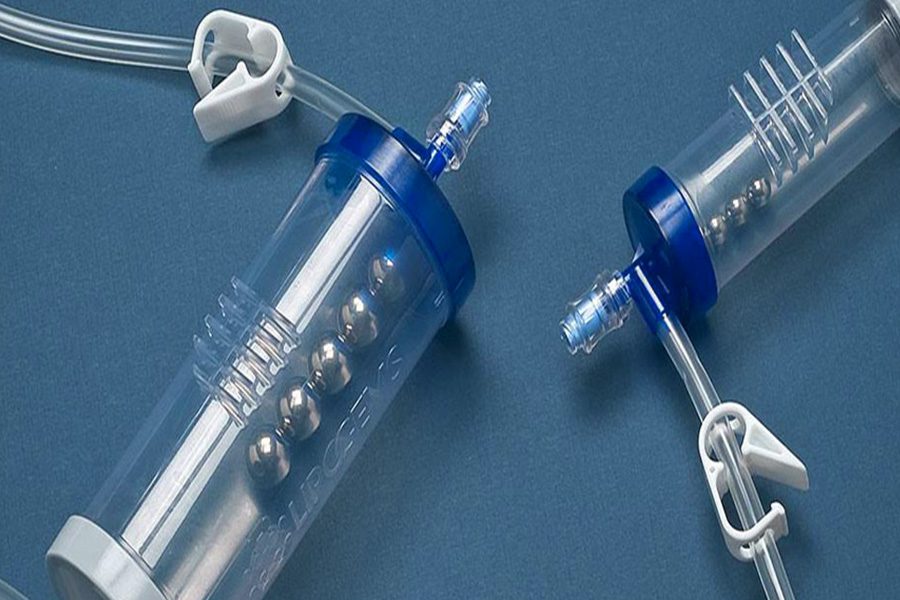
Lipogems è una tecnica rigenerativa che consente di processare in un sistema completamente chiuso anche medio-piccole di tessuto adiposo, prelevate con minimo prelievo da un sito donatore (addome, fianchi, glutei, cosce).

La processazione del tessuto adiposo attraverso la tecnica Lipogems elimina le infiammazioni (sangue, olio, detriti cellulari) micro-frammentando i cluster di tessuto, con un risultato finale omogeneo e di notevole maneggevolezza,idoneo per le infiltrazioni intra-articolari di spalla, ginocchio, anca, caviglia e altre componenti tendinee e/o legamentose.

Il tessuto adiposo così ottenuto conserva intatte le nicchie adipose, ovvero le unità morfo-funzionali fondamentali del tessuto stesso, dotate di rete vascolo-stromale in cui le cellule staminali mesenchimali e i loro precursori possono svolgere la loro funzione rigenerativa in maniera ottimale.

È questo il vero segreto che differenzia la tecnologia Lipogems dalle altre metodiche tradizionali che utilizzano le cellule staminali mesenchimali: preservare il microambiente naturale della nicchia adiposa per conservare al meglio il potenziale rigenerativo delle cellule staminali e le loro funzioni.

Quindi la metodica Lipogems utilizza tessuto adiposo leggermente manipolato e non frazioni cellulari estratte da quest’ultimo, rendendo tale approccio ottimale per artrosi  e lesioni infiammatorie a tendini e legamenti, ma non solo.

Le principali indicazioni al trattamento con Lipogems sono i processi degenerativi artrosici che interessano le cartilagini articolari (nota anche come condropatia degenerativa), la degenerazione e/o lesioni infiammatorie dei menischi e di tutte le componenti tendinee e legamentose articolari o  peri-articolari, che causano dolore e limitazione della funzionalità articolare.

Medicina Rigenerativa, Ortogeriatria e Chirurgia della mano contro patologie muscolo-scheletriche e muscolo-tendinee

MEDICINA RIGENERATIVA

La Medicina Rigenerativa stimola i processi auto-rigenerativi in campo muscolo-scheletrico e muscolo tendineo.

L'ortopedico valuterà se le patologie degenerative dell'apparato muscolo-scheletrico e muscolo-tendineo (es. artrosi delle grandi articolazioni, lesioni tendine, lesione della cuffia dei rotatori) possono essere trattate con metodiche mini-invasive di medicina rigenerativa:

PRGF - Plasma Ricco in fattori di crescita

Concentrato Midollare

LIPOGEMS - Cellule Mesenchimali.

TRAUMATOLOGIA - ORTOGERIATRIA

Le grandi articolazioni, come anca e ginocchio, sono sottoposte maggiormente a sollecitazioni e ad usura.

In frequenti casi, con il passare del tempo, si può giungere ad una progressiva limitazione dei movimenti che associata al dolore, compromette la qualità della vita.

Mercoledì 6 novembre 2019, Giornata dedicata al trattamento di traumi recenti e meno recenti e consulto in caso di trattamenti già in essere (post-chirurgici e non) di anca e ginocchio.

Il Prof. Rinaldo Giancola - Specialista in Ortopedia e Traumatologia, Direttore dell’Unità Operativa di Ortopedia e Traumatologia del G.B. Mangioni Hospital, Past President della Società Italiana di Ortopedia e Traumatologia Geriatrica (A.I.T.O.G.), Direttore del Coordinamento dell'Area di Ortogeriatria di GVM Care & Research, propone una giornata dedicata alle patologie degenerative e post-traumatiche dell'anca e ginocchio.

Il percorso del paziente:

Visita con il Prof. Rinaldo Giancola - Specialista in Ortopedia e Traumatologia e Visita con il fisioterapista (solo se necessario, su indicazione dell'ortopedico) - 150€

Visita con l'internista ad indirizzo geriatrico (solo se necessario, su indicazione dell’ortopedico) - 40 €

Esame Radiografico (solo se necessario, su indicazione dell’ortopedico e/o in mancanza di documentazione recente) - 30€.

Pertanto, in base alle valutazioni dell'Ortopedico, il paziente potrà pagare le prestazioni a partire da un minimo di 150€ fino ad un massimo di 220 €.

SALUTE DELLA MANO E DEL POLSO

Per il trattamento delle seguenti patologie: 

- Sindrome di De Quervain
- Morbo di Dupuytren 
- Sindrome del Tunnel Carpale 
- Dito a scatto
- Rizoartrosi
- Esiti-traumatici (fratture)


Prossime date:

  • mercoledì 6 novembre 2019


Vuoi più informazioni?

Regenerative medicine, ortho-geriatrics and hand surgery against musculoskeletal and muscle-tendinous pathologies

REGENERATIVE MEDICINE

Regenerative medicine stimulates the self-regenerative processes in the musculoskeletal and tendinous muscle fields.

The orthopaedic surgeon will assess whether degenerative diseases of the musculoskeletal and muscle-tendon apparatus (e.g. Arthrosis of large joints, tendon lesions, rotator cuff injury) can be treated with minimally invasive methods of regenerative medicine:

PRGF-Plasma rich in growth factors

Medullary Concentrate

LIPOGEMS-mesenchymal cells.

TRAUMATOLOGY-ORTOGERIATRICS

The large joints, such as hip and knee, are subjected to more stress and wear.

In frequent cases, as time goes by, a progressive limitation of the movements that is associated with pain can be reached, compromising the quality of life.

Wednesday 6 November 2019, Day dedicated to the treatment of recent and older traumas and I consult in case of treatments already in place (post-surgical and non-surgical) hip and knee.

The Prof. Rinaldo Giancola-Specialist in orthopaedics and Traumatology, director of the Orthopaedics and Traumatology Operations Unit of G.B. Mangioni Hospital, Past President of the Italian Society of Orthopaedics and Traumatology Geriatric (A.I.T.O.G.), director of Coordination of the Orthgeriatrics Area of GVM Care & Research, proposes a day dedicated to degenerative and post-traumatic pathologies of the hip and knee.

The patient's path:

Visit with Prof. Rinaldo Giancola-Specialist in orthopaedics and Traumatology and visit with the physiotherapist (only if necessary, on indication of the orthopedist)-€150

Visit with the Internista to geriatric address (only if necessary, on the recommendation of the orthopedic)-€40

Radiographic examination (only if necessary, on indication of the orthopedic and/or in the absence of recent documentation)-€30.

Therefore, based on the orthopaedic evaluations, the patient will be able to pay the benefits from a minimum of €150 up to a maximum of €220.

WRIST AND HAND HEALTH

For the treatment of the following pathologies: 

-De Quervain syndrome-
Dupuytren's disease
-carpal Tunnel syndrome-SNAP
finger-rizoa
rthrosis-out
comes-traumatic (fractures)


Next dates:

  • Wednesday, November 6, 2019


[/et_pb_text]

Want more information?

[/et_pb_text]